Sapiens · Weight · GLP-1
Foods to Avoid on Mounjaro and Ozempic: The Complete Indian List, and What to Eat Instead
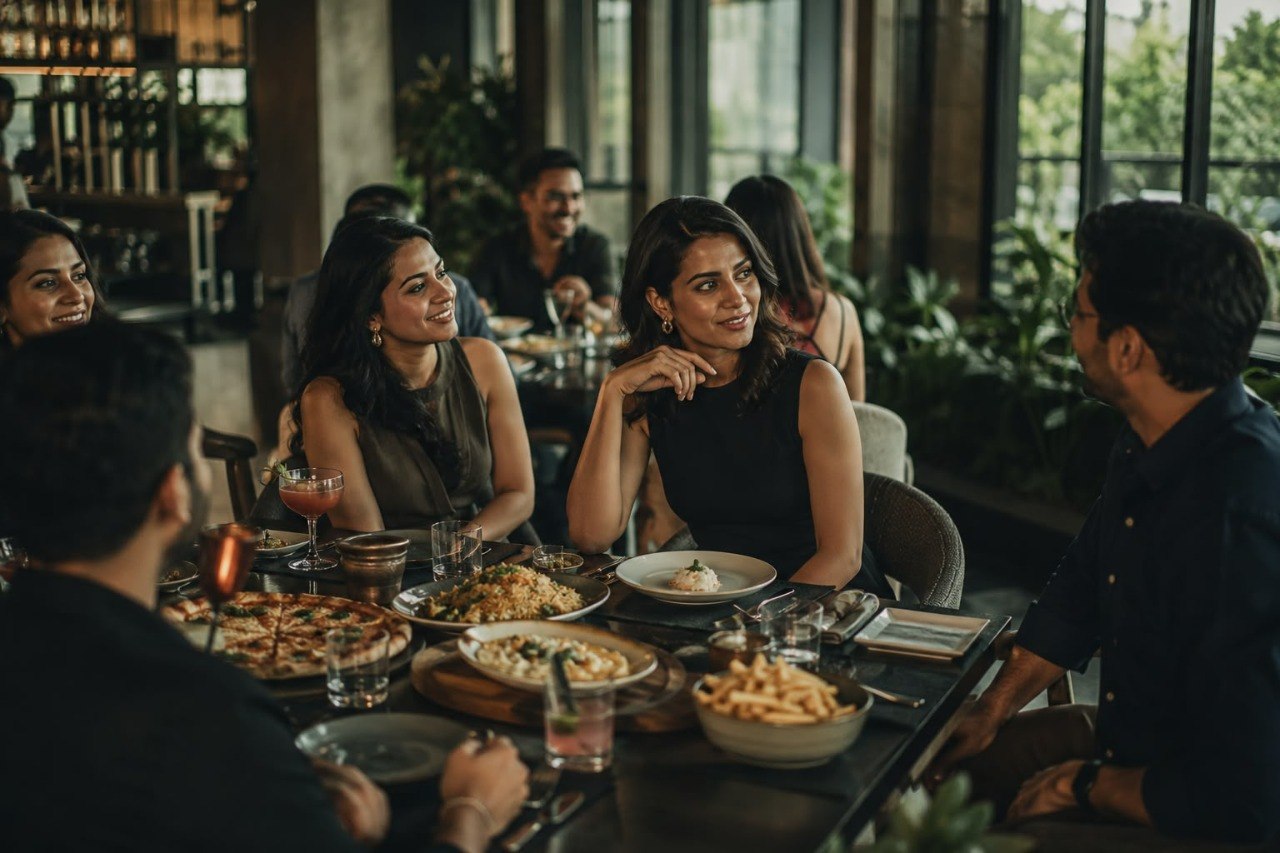
Every food on this list earns its place the same way: by making trouble for a stomach that now empties slowly and an appetite that has shrunk. That, of course, is the whole logic. Whether the pen is tirzepatide (Mounjaro) or any semaglutide brand, Wegovy, Ozempic, Rybelsus or the generics, the foods worth avoiding fall into three groups: deep-fried and fat-heavy dishes, which slow an already-slow stomach further; sweets, sugary drinks and ultra-processed snacks, which spend a shrunken appetite on calories that carry little else; and a short third group, led by alcohol and oversized portions, that causes trouble of its own. Nothing is formally banned, and no regulator publishes an Ozempic diet. What follows is the complete list for Indian cooking, vegetarian and not, with the evidence behind each entry and what to reach for instead, drawing mainly on the 2025 nutrition advisory issued jointly by four American obesity and nutrition bodies.1
Why do some foods cause trouble on these medicines? Copy link
Because the medicine changes two things about how you eat before you have changed anything yourself. It slows stomach emptying, so whatever you eat stays with you longer; and it shrinks appetite, so far fewer calories get through the gate each day. A food can fall foul of either. Fat-heavy dishes take the longest to leave a stomach that is already in no hurry, which is why fried and creamy food tops every list of gut-symptom triggers, including the advisory's.1 And when total intake drops steeply, foods that bring calories without much protein, fibre or micronutrition start costing you nutrients you can no longer spare.1 Keep those two mechanisms in mind and the whole list below stops looking arbitrary; you could nearly write it yourself.
The list, entry by entry Copy link
- Deep-fried anything. Pakoras, samosas, vada, puri, bhatura, chips, fried namkeen, street-fried snacks. Fat is the slowest macronutrient to leave the stomach, and the advisory names fatty and fried food as the first thing to limit when gut symptoms appear.1 Swap for tandoori, grilled, steamed or air-roasted versions of the same cravings.
- Cream- and butter-heavy gravies, and the fattiest cuts. Butter chicken, malai kofta, korma, cream-finished dal makhani, fatty mutton, fried keema. In practice, notice what this entry is and is not: the problem is the fat load, so a butter-laden gravy qualifies while plain grilled chicken, fish or lean mutton does not. Red meat is not prohibited by any GLP-1 label. The nutrition advisory does, separately, recommend keeping red and processed meat moderate or minimal for long-term health.1 If you eat it, smaller lean portions and lighter preparation are the better fit.
- Sugar you drink. Colas, packaged juices, sweet lassi, falooda, sugarcane juice, and the fourth cup of heavily sugared chai. Liquid calories slide past a fullness signal that solid food would trigger, and they bring almost nothing your body currently needs.1 Chaas, nimbu-pani without sugar, coconut water and plain chai do the refreshment job without the cost.
- Mithai and bakery. Gulab jamun, laddoo, barfi, jalebi, cakes, cream biscuits. When you can only eat a fraction of what you used to, every bite has a bigger job to do, and sweets do none of it. The workable rule is small, occasional and counted, not never; a festival laddoo will not undo your treatment, a daily box habit will quietly displace the protein you needed.
- Ultra-processed snacks. Instant noodles, chips, farsan by the fistful, packaged biscuits. Same mechanism as mithai, wearing a savoury disguise, and the advisory's nutrient-density principle applies squarely.1 Roasted chana, nuts in a measured handful, fruit and curd fill the same snack slot and pull their weight.
- Alcohol. It can worsen nausea and reflux, contributes to dehydration, and carries calories with no nutrition. For anyone also taking insulin or a sulfonylurea, alcohol adds a low-blood-sugar risk, particularly when drinking without food, a combination the American Diabetes Association specifically warns about.5 If you drink, keep it small, infrequent, never on an empty stomach, and discussed with your doctor.
- Very large meals, however healthy. The buffet plate, the wedding thali, the second helping on principle. Portion size is itself an entry on this list, because overfilling a slow stomach is the single most reliable way to feel dreadful on these medicines. Serve small, wait, and go back only if genuine hunger does.
- Two conditional entries. Very spicy food, if reflux or acidity is your pattern; and carbonated drinks, including diet versions, if bloating or sulphurous burps are. Neither needs avoiding on principle, only on evidence from your own gut. Coffee and plain chai are generally compatible with these medicines; no direct caffeine interaction is listed in the prescribing information, though caffeine can aggravate reflux or nausea in some people, so your own tolerance is the guide.
The most damaging thing to avoid is not a food Copy link
It is the pattern of barely eating. A suppressed appetite makes under-eating effortless, and the cost lands on muscle: in substantial weight loss from any method, a meaningful share of what goes is lean tissue, and the advisory treats protecting it as a central task of eating on a GLP-1, through adequate protein and structured strength training at least three times a week, alongside at least 150 minutes of moderate aerobic activity.1 Skipping meals also backfires on symptoms, since long gaps without food are a named nausea trigger.1 So the deepest entry on the avoid list is this: do not spend your few daily calories carelessly, and do not skip spending them.
What should the plate look like instead? Copy link
Protein-anchored and portion-honest. The advisory notes that protein intakes of 1.2 to 1.6 grams per kilogram per day have been proposed during active weight reduction, spread across meals, while stressing there is no consensus on whether that target should be calculated from actual, adjusted or ideal body weight, or fat-free mass, in someone with obesity; it also mentions a pragmatic 80 to 120 grams per day as a simpler alternative.1 That uncertainty is exactly why the number is best set with your doctor or a dietitian, since a calculator cannot weigh the judgement for you. For context, India's official baseline sits at 0.83 grams per kilogram for healthy adults, and the ICMR notes that on cereal-heavy diets with lower-quality protein the requirement rises to about 1 gram per kilogram before any weight loss enters the picture.3 Most Indian plates start below where a GLP-1 plate needs to be.
The sources are all around you, veg and non-veg alike: dal, rajma, chana, eggs, chicken, fish, paneer, curd, soya chunks, sattu, milk, sprouts. A simple plate template is half non-starchy vegetables, a quarter protein and a quarter quality carbohydrate, the American Diabetes Association's plate method; in an Indian meal, that last quarter can be a measured serving of roti, rice or millets.5 Sip fluids through the day instead of flooding meals.1
One special rule if you take Rybelsus Copy link
The tablet forms of semaglutide have a food rule the injections do not. Rybelsus is taken on an empty stomach, first thing in the morning, with no more than four ounces (about 120 ml) of plain water and no other liquid; the tablet is swallowed whole, never split, crushed or chewed; and you then wait at least thirty minutes before eating, drinking anything else, or taking other oral medicines.4 The administration rule is strict because oral semaglutide absorption is sensitive to food and fluid intake.4 One more caution now that oral semaglutide exists as two distinct products: Rybelsus and Ozempic tablets come in different strengths and are not substitutable milligram for milligram, so any switch runs through your prescriber.4 Morning chai before the tablet is, naturally, the most common way this rule gets broken in an Indian household. Tablet first, water only, chai after the wait.
Does the list change when nausea is active? Copy link
It tightens. During the queasy weeks around starting and dose increases, the avoid list above applies with more force, and what you positively reach for shifts to small, bland, low-oil meals. That short-term menu, khichdi to shorba, and everything else about the rough patches, lives in our Mounjaro and Ozempic nausea guide; this page is the ongoing pattern for the months of treatment around them. The wider picture of what these medicines do sits in our GLP-1 side-effect overview, and the tests anchoring treatment in our GLP-1 blood tests explainer.
One final boundary worth stating: nothing here replaces the plan your own doctor or dietitian builds with you, particularly if you have diabetes, kidney disease or gout, where protein and food choices need individual tailoring. For how doctor-led treatment fits together in India, medicines, monitoring and costs, start with our medical weight loss guide; the medicines themselves are compared in our GLP-1 medications overview.
Frequently asked questions Copy link
Which foods should I avoid on Mounjaro or Ozempic?
Deep-fried and fat-heavy dishes, cream- and butter-heavy gravies, sugary drinks including sweet lassi and packaged juices, mithai and bakery items, ultra-processed snacks, alcohol, and very large portions. Very spicy food and fizzy drinks are worth avoiding if reflux or bloating is your pattern.
Is there an official Ozempic or Mounjaro diet?
No. No regulator or label publishes a diet for these medicines. This list translates gastrointestinal-management advice and broader nutrition recommendations for people using GLP-1 medicines into familiar Indian foods.
Can I eat rice and roti on a GLP-1?
Yes. Whole grains belong on the plate as roughly a quarter of it, served as a portion rather than a pile. The foods that cause trouble are the fried, the fat-heavy and the sugary, and oversized portions of anything.
Is red meat banned on these medicines?
No GLP-1 label prohibits it. The gut trouble comes from fat load and preparation, so fatty cuts and fried or cream-heavy versions are the entries to limit, and the 2025 nutrition advisory separately recommends keeping red and processed meat moderate or minimal for long-term health. Smaller lean portions, lightly prepared, are the better fit.
Can I drink coffee or chai?
Generally, yes; no direct caffeine interaction is listed in the prescribing information, though caffeine can aggravate reflux or nausea in some people. Keep the sugar modest, and if you take Rybelsus tablets, they go first on an empty stomach with a thirty-minute wait before anything else, chai included.
Can I drink alcohol on Mounjaro or Ozempic?
Small and infrequent may be acceptable for some people, but alcohol can worsen nausea and reflux, dehydrates you, adds empty calories, and raises low-blood-sugar risk for anyone on insulin or a sulfonylurea. Discuss it with your doctor; assuming is the risky version.
How much protein do I need on a GLP-1?
The 2025 joint advisory notes that 1.2 to 1.6 grams per kilogram per day has been proposed during active weight loss, spread across meals, with the exact target best set with your doctor or dietitian. India's baseline RDA is 0.83 grams per kilogram, and about 1 gram per kilogram on cereal-heavy diets, so treatment needs sit well above a typical Indian intake.
References Copy link
- Mozaffarian D, Agarwal M, Aggarwal M, et al. Nutritional priorities to support GLP-1 therapy for obesity: a joint advisory from the American College of Lifestyle Medicine, the American Society for Nutrition, the Obesity Medicine Association, and The Obesity Society. Obesity. 2025 (co-published in four journals; corrigendum published 2026). Consensus advisory. onlinelibrary.wiley.com
- Wegovy (semaglutide) US Prescribing Information. Novo Nordisk; February 2026 revision. Regulatory label; India-specific labelling may differ. accessdata.fda.gov (PDF)
- ICMR-National Institute of Nutrition. Nutrient Requirements for Indians: A Brief Note (RDA 2020). Official national dietary reference. nin.res.in (PDF)
- Rybelsus and Ozempic tablets (semaglutide) US Prescribing Information. Novo Nordisk; revised January 2026. Regulatory label; the two oral products have different strengths and are not substitutable milligram for milligram; India-specific labelling may differ. dailymed.nlm.nih.gov
- American Diabetes Association Professional Practice Committee. Facilitating positive health behaviors and well-being to improve health outcomes: Standards of Care in Diabetes—2026. Diabetes Care. 2026;49(Suppl 1). Consensus standards; source for the plate method and the alcohol–hypoglycaemia caution. diabetesjournals.org/care
This article is general information, not medical advice, and is not a substitute for a consultation with a qualified doctor or dietitian. GLP-1 receptor agonists are prescription-only medicines in India. If you have diabetes, kidney disease, gout or other conditions affecting diet, individual guidance matters more than any general list. Report an error on this page.