
PSA Test: Normal Range by Age, High PSA and Cost in India
PSA test reference values by age from 86,728 Indian men, what a high PSA means at each level, why finasteride roughly halves it, and the cost in India.
PSA test reference values by age from 86,728 Indian men, what a high PSA means at each level, why finasteride roughly halves it, and the cost in India.
HOMA-IR is fasting insulin × fasting glucose ÷ 405. Normal ranges from 2024 to 2026 studies, Indian cut-offs, why two labs disagree, and the test price.
Vitamin B12 deficiency: symptoms, the normal range in pg/mL and pmol/L, what a borderline result means, causes in India, recovery time and test price.
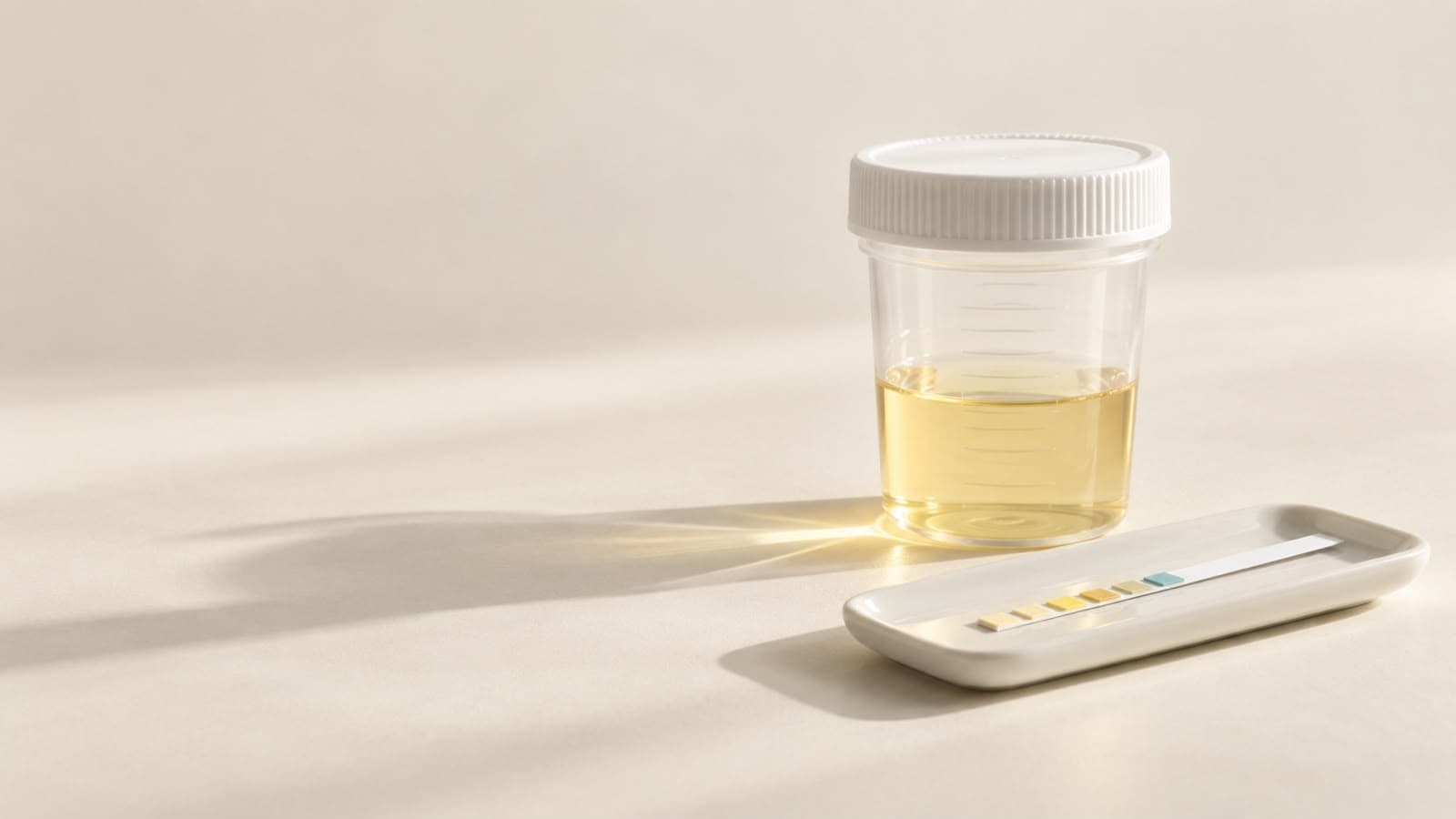
Urine routine test normal range: pH 4.5 to 8, pus cells 0 to 5 per HPF, protein and sugar nil. How to read each line, what it misses, and price in India.

Bilirubin test explained: normal range for total, direct and indirect, what high bilirubin means, why fasting can raise it, and the price in India.

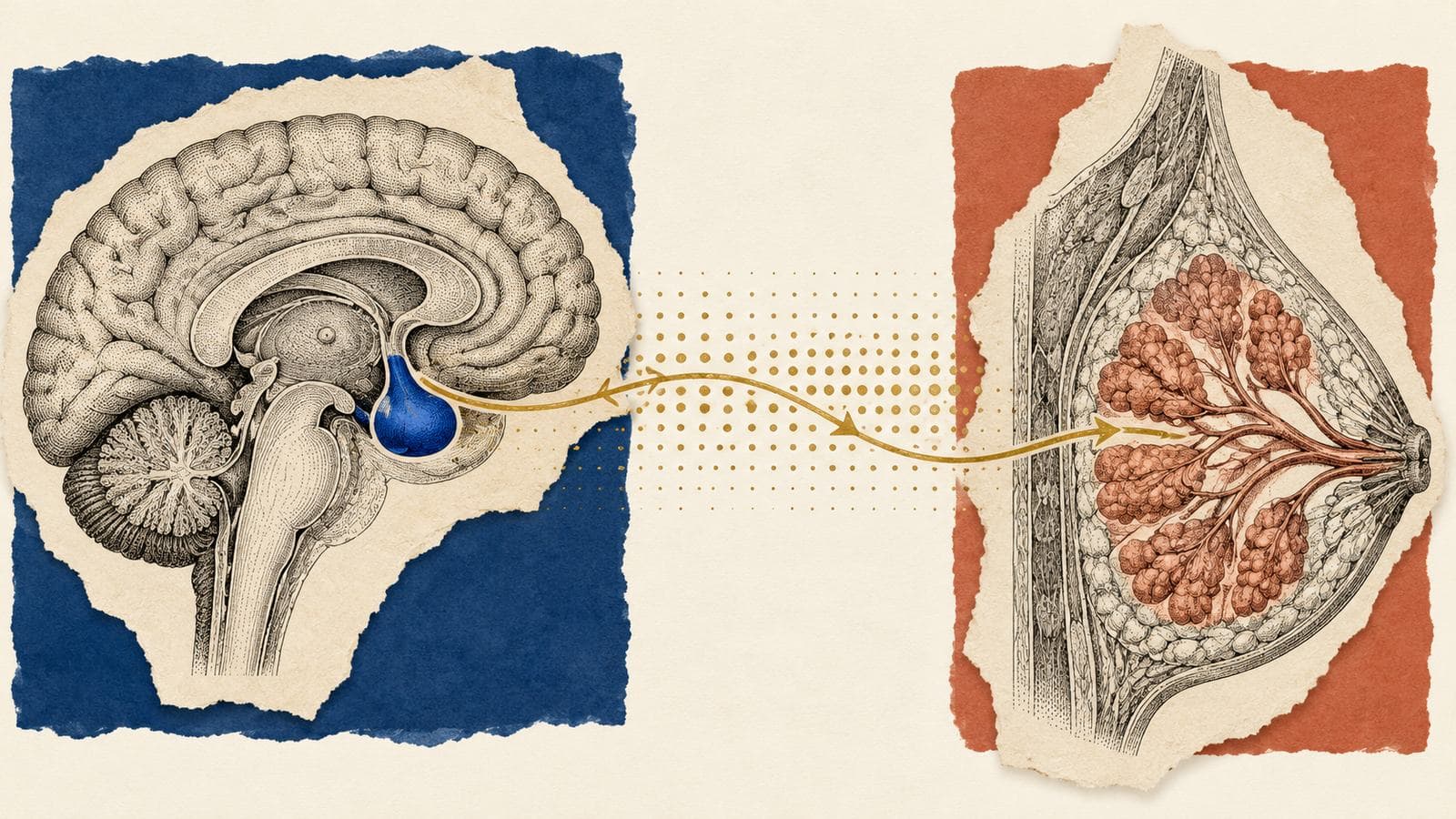
Prolactin test explained: the normal range in ng/mL and µIU/mL, what high prolactin means at each level, macroprolactin, and the price in India.

Sugar test machine price in India: kits from ₹558, strips ₹8.43 to ₹29.98 a test. How to use a glucometer, how accurate it is, and why lab readings differ.

ESR test explained: normal range by age and sex, why women run higher, what a high ESR means, how temperature and method change the number, price in India.

CRP test explained: where healthy levels usually sit, what 10, 50 and 100 mg/L mean, the mg/dL trap, hs-CRP heart-risk bands, and CRP test price in India.

Normal sugar level by age: fasting under 100 mg/dL, two-hour under 140 on a glucose load. The same lines at 25 and 75, and why a normal fasting misleads.

TSH normal range is about 0.4 to 4.0 mIU/L, though Indian labs print up to 5.5. What high and low TSH mean, ranges by age, for women, and in pregnancy.

Urine culture test, decoded: what no growth, mixed growth and CFU/mL mean, why 100,000 is not a hard cut-off, and how to read the S, I and R list.

Neutrophils normal range explained: percentage, absolute neutrophil count (ANC) and polymorphs on your CBC, why ranges vary, and when results need review.

Uric acid ranges vary by lab. See common ranges for women and men, what 6.8, 7, 8 or 9 mg/dL means, causes, test price in India and when treatment is needed.

How to increase hemoglobin: find the cause first; when iron helps, how to take it, what to eat, what blocks absorption, and how fast Hb rises (~1 g/dL a month).
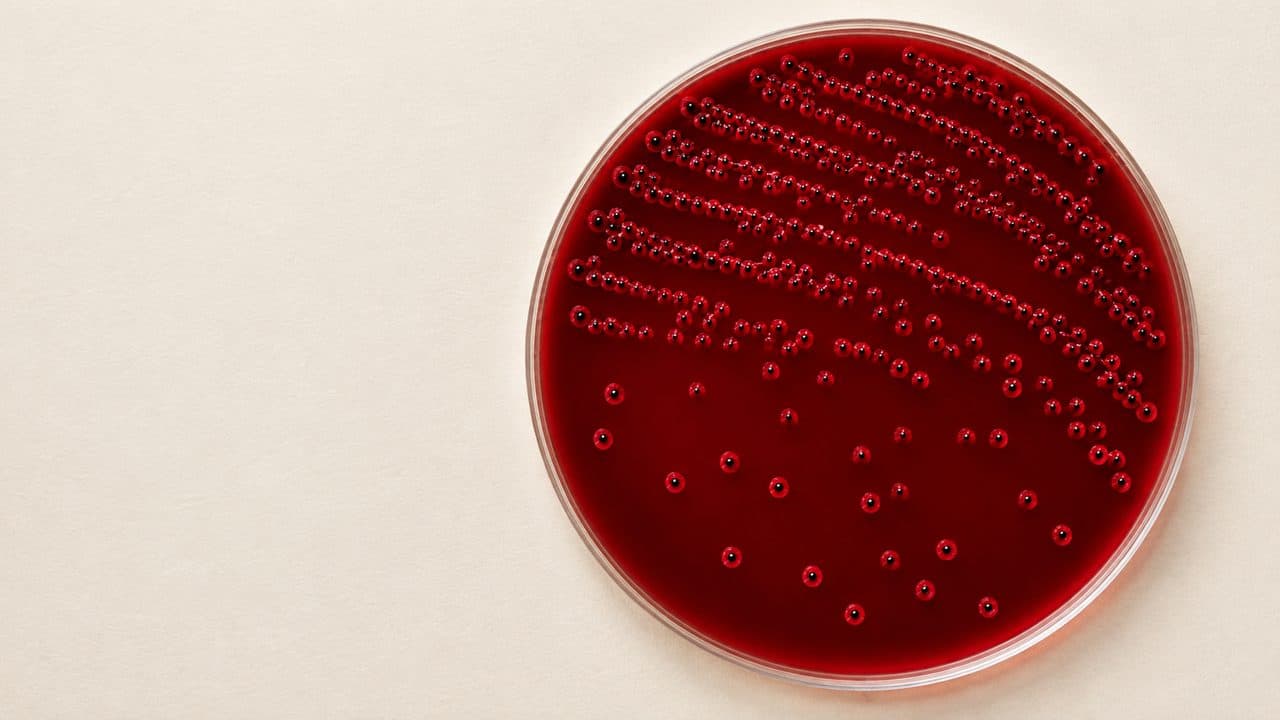
Typhoid test explained: why blood culture confirms it and gives antibiotic sensitivity, what Widal and Typhidot can and cannot say, which test on which day, and prices in India.

Dengue test explained: NS1 antigen on days 1 to 5, IgM after day 5, what IgG means, how to read your report, rapid card vs ELISA, and what it costs in India.
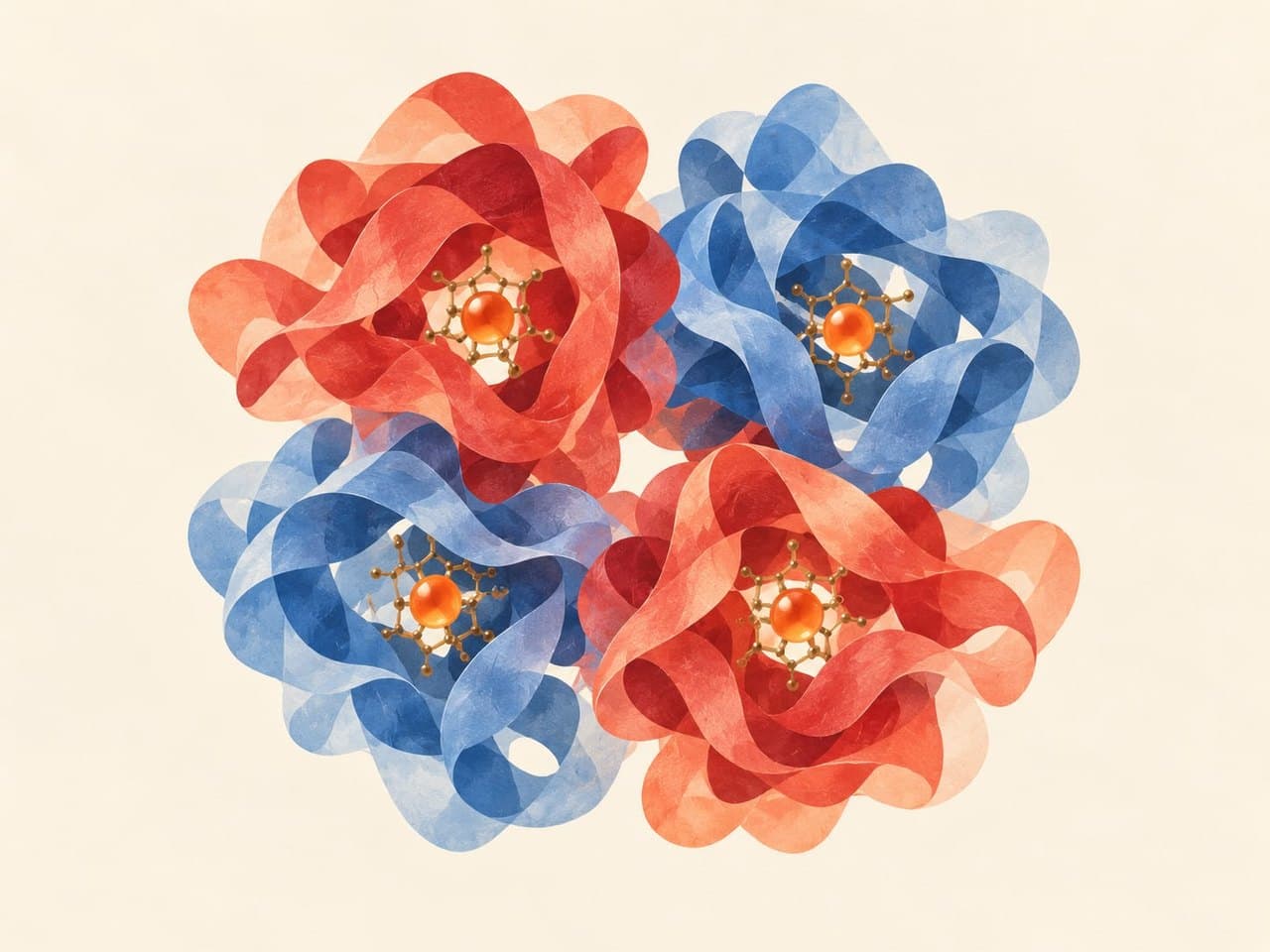
What 13–17 g/dL for men and 12–15 for women mean, where the WHO 2024 anemia cut-offs sit in pregnancy and childhood, and the reasons a hemoglobin drops.
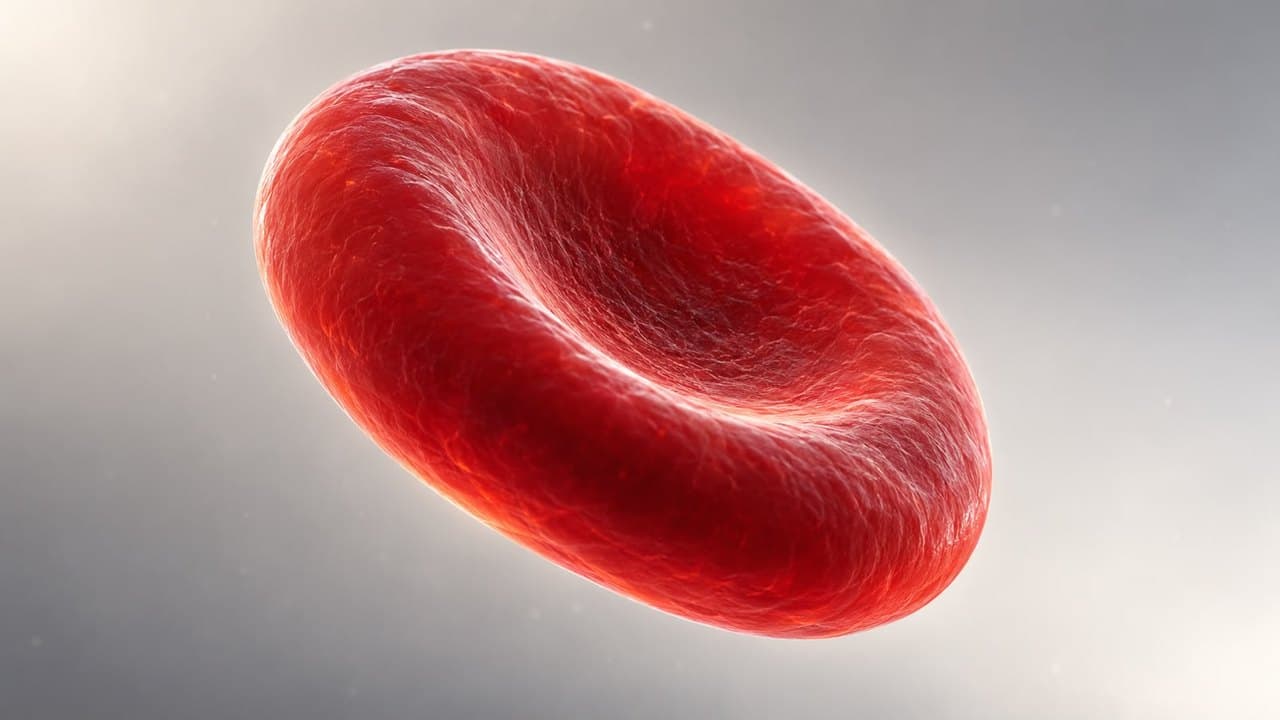
What 4.5–5.5 million/µL means for men and 3.8–4.8 for women, why a healthy Indian can sit outside the printed range, and the pattern that points to thalassemia trait.

Normal WBC count is 4,000 to 11,000 cells per microliter. What TLC and DLC mean on your report, what moves the count up or down, and when to see a doctor.
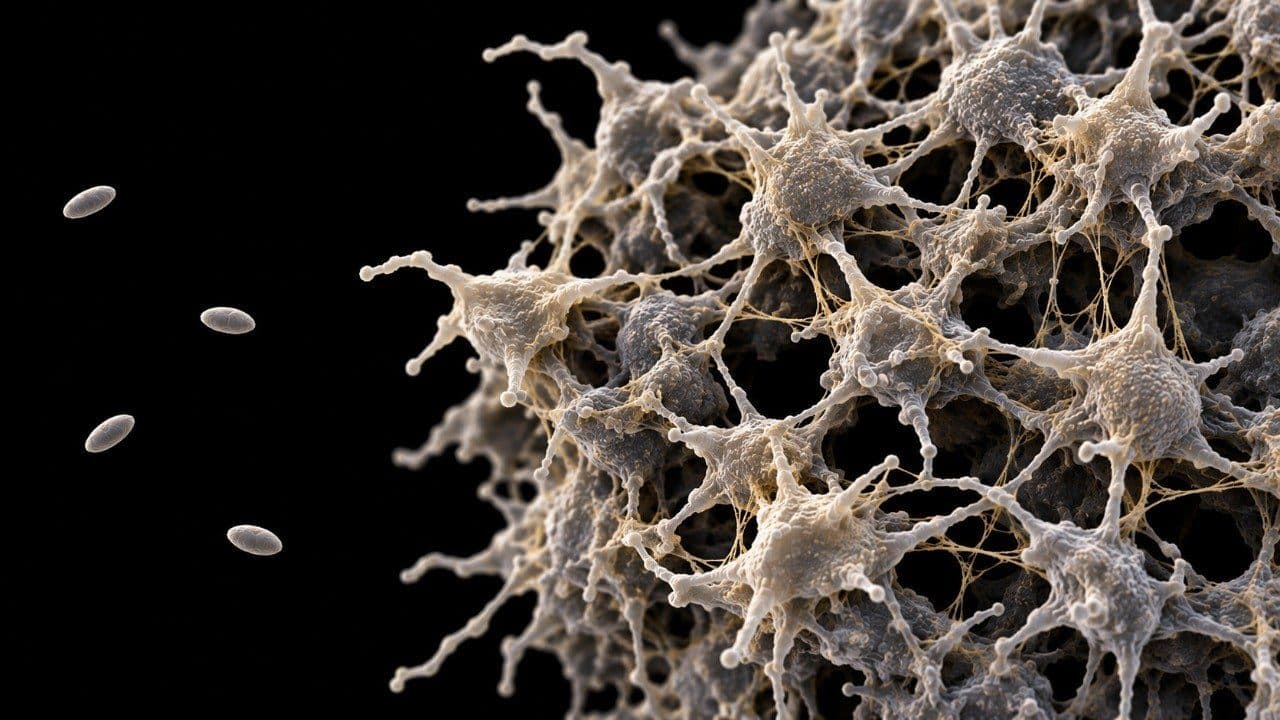
What 1 lakh or 70,000 actually means, why platelets fall in dengue and when they recover, and the warning signs that matter more than the number.
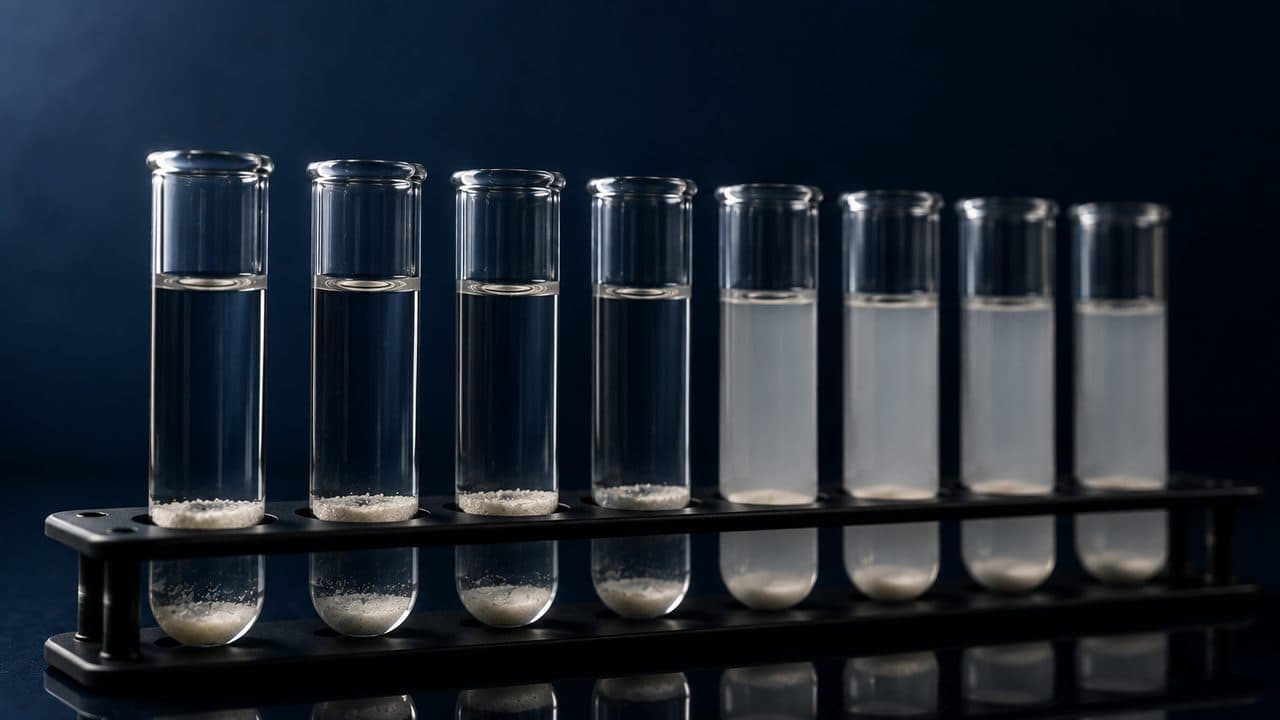
What 1:80 and 1:160 mean, why healthy Indians test positive, when the Widal misses typhoid, and the test that actually confirms it.

The WHO cut-offs, why Indian lab ranges differ, what 12, 18 or 25 means, and why ferritin falls long before haemoglobin does.

No single GLP-1 blood-test panel is mandated. What doctors commonly check before Ozempic, Mounjaro or Wegovy in India, and which results change the plan.

What an LFT measures, normal SGPT and SGOT ranges, what a raised value means in India, whether fasting is needed, and what it costs.

A full body checkup is blood and urine, not a scan. What the seven core panels find, what it should cost, whether to fast — and why the value is in what you do after the report.

What a CBC measures, normal ranges for men and women, what high and low values mean, and the next test by pattern.

HbA1c ranges, glucose (eAG) chart, how to lower it — and the India caveat that anemia can skew results.

Vitamin D deficiency signs, causes, and what treatment actually looks like — why it is common in India and who really needs testing.

How to read TSH, T3 and T4 — and why one number can shift without meaning what you fear.

How to read creatinine, urea, eGFR, uric acid and electrolytes — and when an out-of-range number is genuinely nothing versus one worth following up.

How to read cholesterol, LDL, HDL, triglycerides, non-HDL and ApoB — and why South Asian patterns matter.